
Share This Post
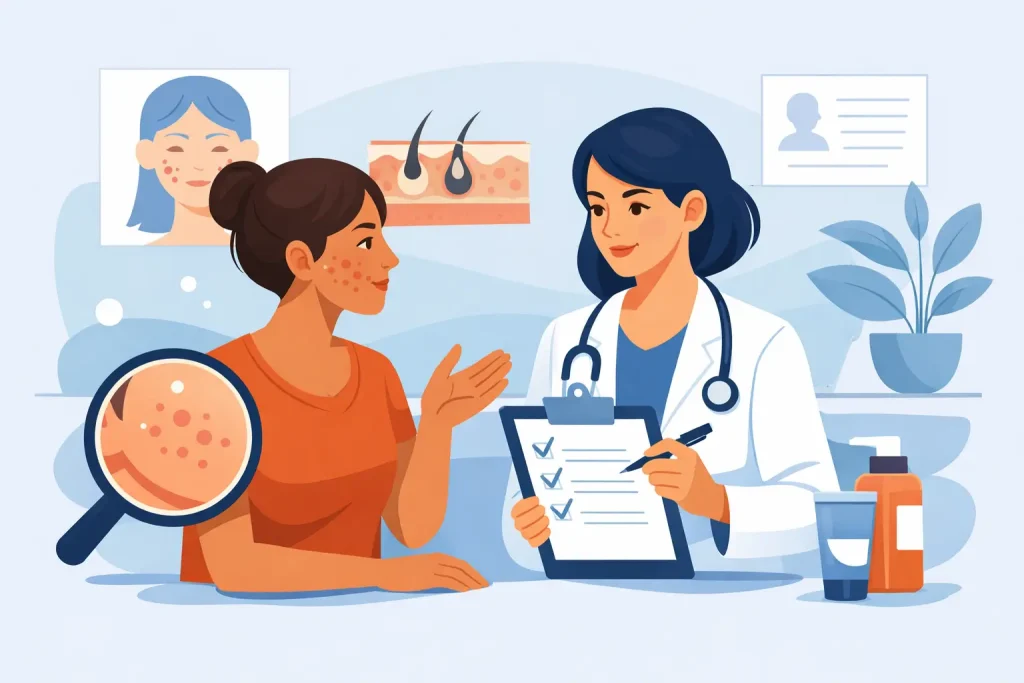
Adult acne rarely arrives on its own. It often comes with redness, post-inflammatory marks, sensitivity, stress, and a bathroom shelf full of products that have promised far more than they delivered. A strong acne consultation checklist for adults helps you arrive prepared, give accurate information, and leave with a treatment plan that reflects your skin biology rather than guesswork.
That matters because adult acne is not always straightforward. Two people can present with similar breakouts and need completely different support. One may be dealing with impaired barrier function and irritation from overuse of acids. Another may have hormonal fluctuations, chronic congestion and persistent pigmentation. A proper consultation should separate those patterns rather than lump them into a one-size-fits-all routine.
Why an adult acne consultation needs more than a quick chat
If you are investing in specialist treatment, the consultation is not a formality. It is where the real work begins. A clinician-led approach looks at lesion type, distribution, inflammation level, scarring risk, product history and lifestyle triggers before deciding what to treat first.
This is especially important for adults because the skin is often balancing several concerns at once. You may be managing breakouts alongside dehydration, early ageing, sun damage, sensitivity or uneven tone. Aggressive acne advice that might suit resilient teenage skin can leave adult skin reactive and depleted. The goal is not to strip the skin into submission. It is to calm inflammation, regulate congestion and restore healthier function over time.
Your acne consultation checklist for adults
Before your appointment, gather the details your skin therapist or clinician will need to see the full picture. The more precise you are, the easier it is to prescribe products and treatments that make clinical sense.
Start with a timeline. Note when the acne began, whether it is constant or cyclical, and if it changed after stopping or starting contraception, pregnancy, stress, illness or a new skincare routine. If your breakouts flare around the jawline and chin each month, say so. If they worsened after trying popular exfoliating products, that is equally relevant.
Make a full list of everything currently touching your skin. That includes cleanser, moisturiser, SPF, exfoliants, retinoids, spot treatments, makeup, hair products and even shaving products if they come into contact with the affected area. Bring the names if you can. Saying you use “a serum” is not enough. Ingredient-led advice depends on specifics.
You should also note anything you have tried in the past and how your skin responded. This often reveals patterns quickly. Some adults discover they are not struggling with products that are too weak, but with routines that are too harsh, too frequent or badly combined.
Photographs can help, particularly if your acne fluctuates. If your skin is having a relatively calm day at the appointment, previous images may show the severity of inflamed flares, clustering, or the marks that remain afterwards. Clear photos in daylight are usually the most useful.
What your clinician should ask you
A good consultation is structured. It should not feel rushed, vague or purely sales-led. You should expect questions about your skin history, health background and lifestyle because acne can be influenced by several overlapping factors.
Skin behaviour and breakout pattern
Expect to discuss where you break out, how often, whether spots are painful or superficial, and how long marks linger. Blackheads across the nose and chin suggest a different management plan from deep, inflamed lesions concentrated around the lower face.
Your therapist should also ask about sensitivity, tightness, stinging, redness and dryness. These clues help identify whether the skin barrier is already compromised. In that case, treating inflammation and rebuilding tolerance may need to come before stronger active work.
Health, hormones and medication
Adult acne consultations should cover relevant health details, including current medication, hormonal changes, diagnosed conditions and supplements. This is not intrusive. It is responsible practice.
Hormonal influence is common, but it should not be used as a lazy explanation for every breakout. Sometimes hormones are central. Sometimes they are only one part of the picture. If your acne is clearly linked to a medical issue, a specialist clinic may recommend working alongside your GP or another healthcare professional. Good skin practice knows its boundaries.
Lifestyle and habits
Sleep quality, stress, occupation, exercise habits and even how often you touch your face can all shape outcomes. So can practical details such as wearing makeup daily, working in polluted environments or spending long hours in occlusive headwear. None of this is about blame. It is about building an accurate treatment plan.
Questions to ask during an acne consultation
The appointment should educate you, not overwhelm you. If you leave with products but no understanding, the consultation has not gone far enough.
Ask what type of acne your clinician believes you have and what signs led them to that conclusion. Ask whether the immediate priority is reducing inflammation, clearing congestion, improving barrier function or preventing marks and scarring. These priorities matter because they shape the order of treatment.
It is also worth asking how long visible improvement is likely to take. Adults often want quick results because they are balancing work, confidence and social visibility. But realistic expectation-setting is a sign of professional care. Some skins respond quickly in the first six weeks. Others need a steadier build over several months, particularly if there is pigmentation, scarring or long-term sensitivity.
You should also ask what could make your skin appear worse before it improves. Sometimes this is a normal response to corrective treatment. Sometimes it is a sign the routine is too strong. Knowing the difference helps you stay consistent without ignoring warning signs.
What to bring to the appointment
The best acne consultation checklist for adults includes practical preparation as well as questions. If possible, attend with clean skin or minimal makeup so the skin can be properly assessed. If you are coming straight from work, that is understandable, but be prepared for your clinician to remove products before analysis.
Bring a list or photos of your current skincare and makeup. If you are on prescription medication or have recently changed contraception, note that too. If you have had previous peels, facials, LED therapy, microneedling or other acne treatments, include the dates and your response.
Try not to start a brand-new routine in the days just before your appointment. Sudden changes can cloud the picture. Your clinician needs to see how your skin is behaving now, not how it reacts to a last-minute experiment.
What a treatment plan should include
A useful consultation ends with a clear strategy. Not a vague promise that things should settle, but a structured plan with purpose. That might include homecare, in-clinic treatment frequency, review points and guidance on what progress should realistically look like.
For some adults, treatment begins with restoring skin resilience through gentle cleansing, vitamin support, hydration and daily SPF before moving into more active correction. For others, the plan may include progressive exfoliation, LED light therapy, targeted actives or a course-based programme to control inflammation and improve turnover. It depends on what the skin can tolerate and what is driving the acne.
A strong clinic will also explain why each step matters. This is where expertise shows. You should understand not only what you are using, but why it has been chosen for your particular skin rather than for acne in general.
At GRB Skin Clinic, that consultation-first approach is central to achieving measurable change. Adult skin responds best when treatment is led with precision, consistency and respect for skin health as a whole.
Signs your consultation has been done properly
You should feel listened to, accurately assessed and clearly guided. You should know what is happening in your skin, what the first phase of treatment involves, and what your role is at home. There should be hygiene, professionalism and enough detail for you to feel confident rather than confused.
There should also be honesty. If your clinician tells you that scarring, pigmentation or chronic acne will take time, that is not a lack of optimism. It is a sign they are building results responsibly. Quick-fix language can be tempting when you are frustrated. Clinical skin improvement is usually more measured, and far more reliable because of it.
Adult acne can be emotionally exhausting, especially when you have already spent months or years trying to solve it alone. The right consultation changes that dynamic. It replaces random product chasing with evidence-based direction and gives your skin a real opportunity to heal in a structured way.
Turn up prepared, ask direct questions, and expect a plan that respects both the complexity of your skin and the result you want. Better skin starts with better information.