
Share This Post
Skin rarely changes because of one facial. It changes when the right treatment is chosen for the right skin, at the right intensity, and supported properly between appointments. That is why clinical facial treatments Greater Manchester clients invest in tend to look very different from a standard salon facial. The goal is not a fleeting glow for a weekend. It is measurable improvement in acne, congestion, pigmentation, sensitivity, dehydration, early ageing and photodamage.
For many people, the frustration is not a lack of effort. It is that they have tried products, one-off treatments and generic advice without anyone properly analysing what the skin is doing. A clinical approach starts by identifying the cause, not just the visible symptom. Excess oil, impaired barrier function, inflammation, sun damage, slow cell turnover and post-inflammatory pigmentation do not all respond to the same protocol. They need a plan.
What makes clinical facial treatments different?
A clinical facial is led by skin health, not pampering. That does not mean the experience feels cold or impersonal. It means every step has a reason. Consultation, skin analysis, treatment selection, product prescription and review are all part of the same process.
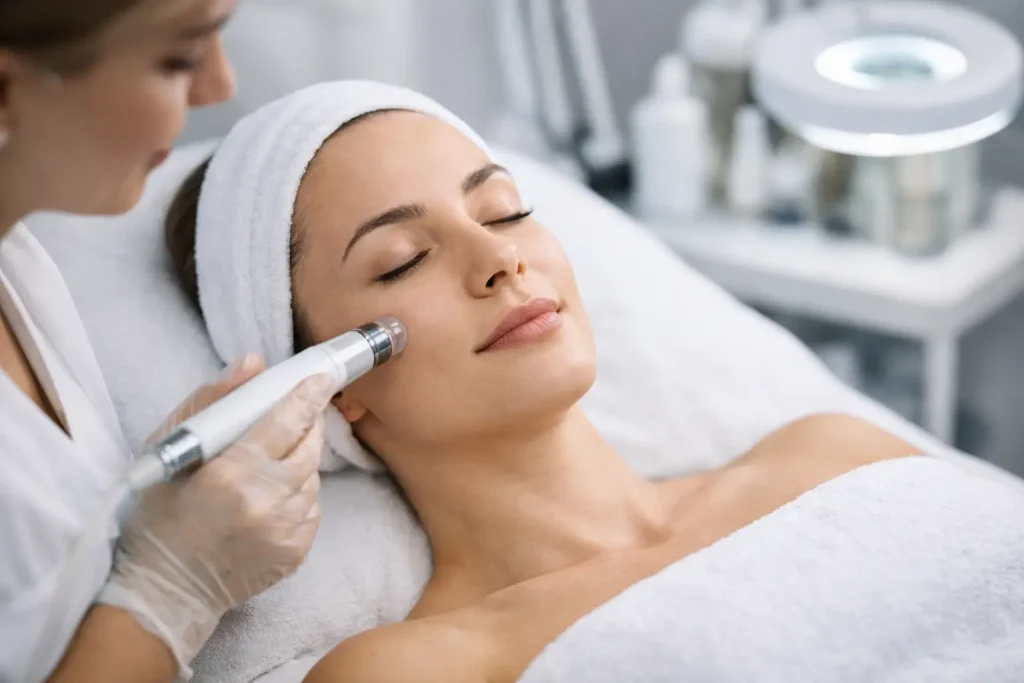
In practice, that often includes active ingredients with proven skin benefits, progressive device-led treatment, strict hygiene standards and clear expectation setting around timelines. If a client has inflammatory acne, for example, the work may centre on reducing congestion, calming redness and supporting repair over a course of treatments. If the concern is pigmentation or lines, the plan may focus on controlled resurfacing, vitamin-based protocols and light-based support to help restore healthier skin function.
This is where many people notice the difference between a beauty-led service and a specialist clinic. A beauty facial may leave the skin smoother for a few days. A clinical facial treatment is designed to create change over time.
Who benefits most from clinical facial treatments in Greater Manchester?
The short answer is anyone who wants improvement rather than a temporary cosmetic effect. In reality, some concerns respond especially well to structured treatment programmes.
Acne and chronic congestion
Acne is rarely solved by a single product or one extraction-heavy session. It usually needs a combination of careful homecare, inflammation control, skin renewal support and regular reassessment. Teen acne, adult acne, hormonal breakouts and persistent congestion can all behave differently, so the treatment plan should reflect that.
A therapist-led clinic will also look at what the skin can tolerate. Over-treating active acne often makes things worse. Under-treating it leads to months of stalled progress. The balance matters.
Pigmentation and photodamage
Uneven tone, sun damage and lingering marks after blemishes can be stubborn. They often require consistency and patience because pigmentation sits at different depths within the skin. Some clients need a slower approach to avoid aggravating heat or sensitivity, while others are suitable for more intensive active treatment. This is where professional judgement matters.
Ageing and loss of vitality
Fine lines, rough texture, dullness and reduced firmness are not only about age. They are also influenced by cumulative UV exposure, inflammation, dehydration and declining skin function. Clinical facials can support collagen stimulation, improve surface smoothness and help the skin appear fresher and more resilient. That said, results depend on baseline skin quality, age, lifestyle and how consistently a client follows their prescribed routine.
Sensitive or reactive skin
Not every active skin concern needs an aggressive answer. Clients with redness, irritation or barrier disruption often need the opposite – a carefully controlled, skin-strengthening protocol. The best treatment is not always the strongest one. Sometimes it is the one that calms the skin enough for progress to begin.
The role of consultation-first treatment planning
The strongest clinical facial treatments Greater Manchester clinics provide are rarely chosen from a menu in isolation. They are selected after a proper consultation. That is because two clients with the same visible concern may need very different treatment pathways.
Take pigmentation. One client may have post-inflammatory marking from acne. Another may have diffuse sun damage. Another may be dealing with melasma tendencies, where heat and inflammation can make matters worse. Treating all three in the same way would be poor practice.
A proper consultation should cover skin history, current products, trigger factors, medication, previous treatment experience and what the client is realistically hoping to achieve. It should also explain what will not happen overnight. Good clinics do not overpromise fast fixes, especially with acne scarring, deeper pigmentation or established ageing changes.
Treatments that support real skin change
The exact protocol depends on the clinic, but results-driven facial treatment plans often combine professional products and advanced modalities rather than relying on one technique alone.
Bespoke active facials can be highly effective when they are built around skin condition rather than a generic skin type label. Professional vitamin-based systems, resurfacing treatments and deeply targeted ingredients can improve clarity, hydration and texture while helping the skin function better over time.
LED light therapy is often valuable as part of a broader programme. It can support acne management, reduce visible inflammation and help recovery after active treatments. It is not magic, and it is usually not enough as a standalone answer for more complex concerns, but as part of a structured plan it can make a meaningful difference.
For clients focused on ageing, pigmentation or textural change, progressive device-led protocols may be introduced where appropriate. The key word is progressive. Stronger is not automatically better. Skin responds best when treatment intensity matches its tolerance and recovery capacity.
Why homecare matters as much as the facial
One of the biggest misconceptions about skin treatment is that clinic results happen in the treatment room alone. In reality, your daily regimen is what either protects the progress or undermines it.
If a client is having regular facials for acne but continues using unsuitable products between visits, inflammation and congestion often persist. If someone is investing in pigmentation treatment without consistent SPF use, the skin is being pushed forward and pulled backwards at the same time.
This is why prescription-led skincare matters. Not because more products are better, but because the right products support the treatment objective. A simplified, well-matched routine usually outperforms a crowded shelf. For many clients, education around ingredients is the point where things finally begin to make sense.
Choosing a clinic in Greater Manchester
If you are comparing options across Sale, Altrincham, Chorlton, Stockport or the wider South Manchester area, look beyond polished before-and-after language. The better question is how the clinic thinks.
Do they assess the skin thoroughly before recommending treatment? Do they explain likely timelines? Do they adapt plans when the skin changes? Are they focused on skin health as well as appearance? These are stronger signs of quality than a long list of fashionable treatments.
It is also worth paying attention to experience. A practitioner with deep skin knowledge will know when to push, when to pause and when a slower route is safer. That judgement is especially important for acne, reactive skin and pigmentation-prone clients, where overly enthusiastic treatment can set progress back.
At a specialist practice such as GRB Skin Clinic, the emphasis is on therapist-led programmes, education and biologically intelligent skincare that works with the skin rather than fighting it. That model suits clients who want a structured path and honest guidance, not guesswork.
What results should you realistically expect?
Good clinical care should leave you feeling informed, not sold to. Most meaningful skin changes happen over a series of treatments, supported by disciplined homecare. Some people see early improvements in brightness, comfort and hydration within a few weeks. Acne, pigmentation and visible ageing usually take longer.
The timeline depends on the concern, the skin’s starting point and how consistently the plan is followed. There can also be adjustments along the way. Skin is dynamic. Weather, hormones, stress, travel and health changes can all affect how it behaves. A serious clinic will account for that rather than pretending every pathway is linear.
The right treatment plan should still feel encouraging. You should understand why each stage is being recommended, what the likely milestones are and what your role is in achieving the best outcome.
If your skin has been stuck in a cycle of temporary fixes, clinical facial treatment offers something more useful – direction. With the right analysis, the right protocol and the right support between appointments, progress stops feeling random and starts becoming visible.