
Share This Post
Cold is not a cure for every skin concern, but used correctly, it can be a valuable part of a considered treatment plan. This cosmetic cryotherapy guide explains what controlled cold treatment can realistically do for the skin, when it may be appropriate, and why professional assessment should always come before a device-led facial protocol.
What cosmetic cryotherapy actually is
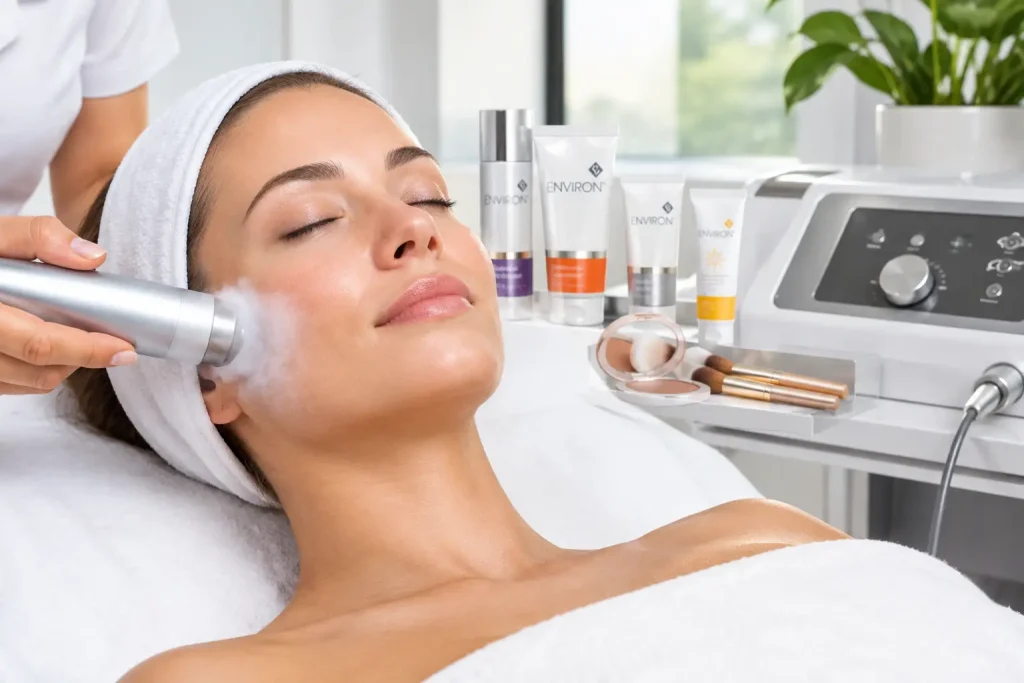
Cosmetic cryotherapy uses carefully controlled cold exposure to create a temporary response in the skin. Depending on the treatment protocol, this may involve cooled air, chilled applicators or specialist cryo devices applied to the face or body. The aim is not to freeze the skin, but to create a brief, managed cooling effect that supports a fresh, toned and more comfortable appearance.
It is important to separate cosmetic cryotherapy from medical cryosurgery. Medical procedures may use extremely low temperatures to treat specific lesions and must be performed within the appropriate medical setting. Cosmetic cryotherapy is a non-invasive aesthetic treatment designed around skin comfort, circulation and visible vitality.
A well-delivered treatment feels cool and controlled, not painfully cold. Your therapist should monitor your skin response throughout, adjust the treatment to your tolerance, and work within a protocol that suits your skin condition rather than following a one-size-fits-all routine.
How cold affects the appearance of skin
When the skin is exposed to controlled cold, blood vessels temporarily constrict. Once the treatment ends and the skin begins to rewarm, circulation returns. This sequence can leave the complexion looking more awake and refreshed, particularly before an occasion or when the face appears tired and puffy.
Cooling may also create a short-term tightening effect, helping skin look smoother and more refined for a period. Some clients enjoy the feeling of calmness that follows a cooling treatment, especially when their skin feels warm, flushed or overstimulated by environmental stress.
However, a temporary visible change is not the same as permanent skin correction. Cosmetic cryotherapy will not erase deep lines, rebuild lost volume, resolve established scarring or correct every form of pigmentation. Those concerns need a more complete strategy, often combining professional treatments, carefully prescribed active skincare and a routine that protects the skin barrier between appointments.
That distinction matters. At a clinical skin practice, treatments should be selected because they serve the condition in front of us, not because they are currently popular.
Who may benefit from cosmetic cryotherapy?
Cosmetic cryotherapy can be a useful option for clients seeking a short-term boost in skin freshness and comfort. It may suit someone preparing for an event, managing morning puffiness, or looking for a calming addition to a professional facial. It can also work well as part of a maintenance programme where the aim is to support a healthy-looking complexion rather than make dramatic promises from a single appointment.
The best candidates are generally those whose skin is stable and whose expectations are realistic. If your main concern is dehydration, uneven texture, congestion, visible ageing or a dull complexion, cooling may be one supportive element of treatment, but it is unlikely to be the whole answer.
For example, a client with persistent breakouts needs a plan that investigates congestion, inflammation, product use, barrier function and lifestyle factors. A person concerned by sun-related change needs progressive skin health support focused on the quality and resilience of the skin. Cold therapy can feel beneficial in the moment, but the long-term result comes from diagnosis, consistency and the right course of action.
When cosmetic cryotherapy needs extra caution
Not every skin type or health history is appropriate for cold-based treatments. A consultation is particularly important if you experience significant sensitivity to cold, recurrent facial flushing, fragile capillaries, impaired sensation, open or compromised skin, active infection, or a condition that affects circulation.
Your therapist should also know about current medication, recent procedures and any history of adverse reactions to facial treatments. Skin can be more reactive than usual after certain treatments, during periods of illness, or when the barrier has been disrupted by unsuitable products.
Do not assume that a cooling sensation automatically means a treatment is gentle. Temperature, treatment duration, device hygiene and practitioner technique all matter. Excessive cold exposure can be uncomfortable and, in the wrong circumstances, may aggravate already reactive skin. A professional should be prepared to stop or modify the treatment immediately if your skin response suggests it is not suitable.
What to expect at a professional appointment
A quality appointment begins before the cold device is switched on. Your therapist should assess your concerns, observe the skin, discuss your treatment history and establish what result you are hoping to achieve. This is where a specialist approach differs from a quick cosmetic add-on.
The treatment itself may be incorporated into a bespoke facial or used as a focused step within a broader protocol. The skin is prepared appropriately, the cooling method is applied in controlled passes, and your comfort is checked throughout. You should never feel that your treatment is being rushed or that your skin is being exposed to extreme temperature without clear explanation.
Afterwards, the skin may appear brighter, feel firmer and look less puffy. Results vary according to your baseline skin condition, hydration, lifestyle and the treatment used alongside the cooling stage. Some people see a pleasing immediate effect; others notice a more subtle change. Neither response is a failure. It simply reinforces why treatment plans should be personalised.
A cosmetic cryotherapy guide to realistic results
The most useful way to think about cosmetic cryotherapy is as a supportive treatment, not a standalone transformation. It can complement a programme designed to improve skin comfort, facial freshness and the visible quality of the complexion. It is particularly valuable when used with intention, at the right time and for the right client.
For lasting improvement, look beyond the immediate post-treatment glow. Ask what is causing the concern in the first place. Is the skin depleted, congested, inflamed, exposed to daily environmental stress or lacking an effective homecare routine? A strong plan addresses these questions with progressive treatment choices and professional products selected for your specific needs.
At GRB Skin Clinic, this means looking at the whole skin picture rather than chasing a single trend. Skin analysis helps determine whether cooling therapy belongs in your programme, and what should sit around it to support healthier function and more reliable progress.
How to prepare and care for your skin afterwards
Arrive with your therapist fully informed about your skin and any recent changes. Avoid booking a cold-based facial when your skin is actively irritated, broken or unusually sensitive unless a qualified therapist has assessed it and specifically advised otherwise.
Following treatment, keep your routine calm and consistent. Use the products prescribed for your skin, avoid introducing unfamiliar actives immediately afterwards, and pay attention to how your skin feels over the next 24 to 48 hours. If you experience prolonged discomfort, unusual swelling or a reaction that concerns you, contact the clinic promptly for advice.
The goal is never to push skin into submission. Good aesthetic care works with the skin’s natural recovery processes, respecting its limits while progressively encouraging better function.
If cosmetic cryotherapy appeals to you, treat it as the beginning of a conversation rather than a treatment to book blindly. The right consultation can show you whether controlled cold is the missing finishing touch for your skin, or whether another route will take you further towards the clear, healthy and resilient complexion you want.