
Share This Post
A shelf labelled “cosmeceutical” can make every product sound equally clinical. It is not. Environ versus cosmeceuticals is not really a contest between two opposing types of skincare: Environ is a professional skincare brand within the broader cosmeceutical space. The more useful question is whether a product, formula and routine are appropriate for your skin now – and whether they are being introduced with enough structure to create genuine progress.
For acne, pigmentation, fine lines, chronic dehydration or sun-related change, buying products by category alone rarely produces the outcome people want. Skin responds to consistency, well-chosen active ingredients, correct application and regular reassessment. That is where a professional prescription earns its place.
What does cosmeceutical actually mean?
Cosmeceutical is a commonly used term for skincare that sits between basic cosmetics and medicinal treatment. These products are designed to support visible skin change through active ingredients such as vitamin A, antioxidants, peptides, exfoliating acids and ingredients that support the skin barrier.
The term itself is not a guarantee of quality, potency or suitability. Two products can both be called cosmeceutical while having entirely different ingredient technologies, concentrations, stability, delivery systems and instructions for use. A highly active formula may be excellent for one person and completely unsuitable for another person whose barrier is compromised or whose skin is already inflamed.
This is particularly relevant when treating acne-prone or reactive skin. More activity is not automatically better. If the skin is continually irritated, it may appear more congested, dry, red or unpredictable. A progressive plan is often more effective than repeatedly changing products in pursuit of a rapid fix.
Environ versus cosmeceuticals: the key distinction
Environ is best understood as a professional cosmeceutical system, rather than an alternative to cosmeceuticals. Its approach is centred on vitamin A, supported by complementary ingredients and a structured homecare pathway. The aim is to help normalise the appearance and behaviour of the skin over time, rather than relying on a single hero product.
What distinguishes a system-based brand is not simply an ingredient list. It is the way products are selected, layered and progressed. Vitamin A is a powerful part of many advanced routines, but it requires respect. Skin must build tolerance gradually, particularly if there is existing sensitivity, active breakouts, flaking or a history of over-exfoliation.
A professional consultation considers the condition beneath the concern. Pigmentation, for example, may be affected by ongoing inflammation, uneven melanin activity, previous acne, UV exposure and skin-barrier disruption. Fine lines may sit alongside dehydration, laxity or a dull, uneven surface. The visible issue matters, but it is not the whole diagnosis.
Why formulation matters as much as ingredients
It is easy to compare skincare by spotting familiar names on a label. Yet the effectiveness of an ingredient depends on far more than its presence. Stability, concentration, packaging, pH, the combination of ingredients and how the formula feels on the skin all influence whether a product can be used consistently.
A formula that causes persistent discomfort is not automatically “working”. Some adjustment can occur when an active is introduced, but ongoing stinging, excessive peeling or escalating inflammation are signs that the routine needs reviewing. Progress should be managed, not endured.
Environ’s stepped vitamin A philosophy can be especially helpful for clients who need a clear route forward. Rather than guessing when to increase activity, the skin is assessed and guided through a suitable level. This is valuable for people who have tried several active products without knowing why their skin became unsettled.
A prescription should start with the skin you have today
The best professional skincare plan is not built around a trend, a friend’s routine or a before-and-after image. It begins with your current skin condition, lifestyle, goals and capacity for consistency.
For acne, this means looking beyond the individual spot. A therapist needs to understand where congestion forms, whether breakouts are inflamed or under the skin, how quickly marks fade, what cleansing habits are in place and whether the skin feels dry or oily at the same time. For mature skin, the discussion may include texture, loss of radiance, visible lines, pigmentation and the effect of years of environmental exposure.
From there, a programme can be kept purposeful. A cleanser, moisturiser and prescribed active products may be enough at the beginning. Adding multiple exfoliants, masks and treatments at once makes it harder to identify what is helping and what is causing a reaction. The most sophisticated routine is not the one with the most steps. It is the one your skin can tolerate and benefit from day after day.
Where in-clinic treatment fits
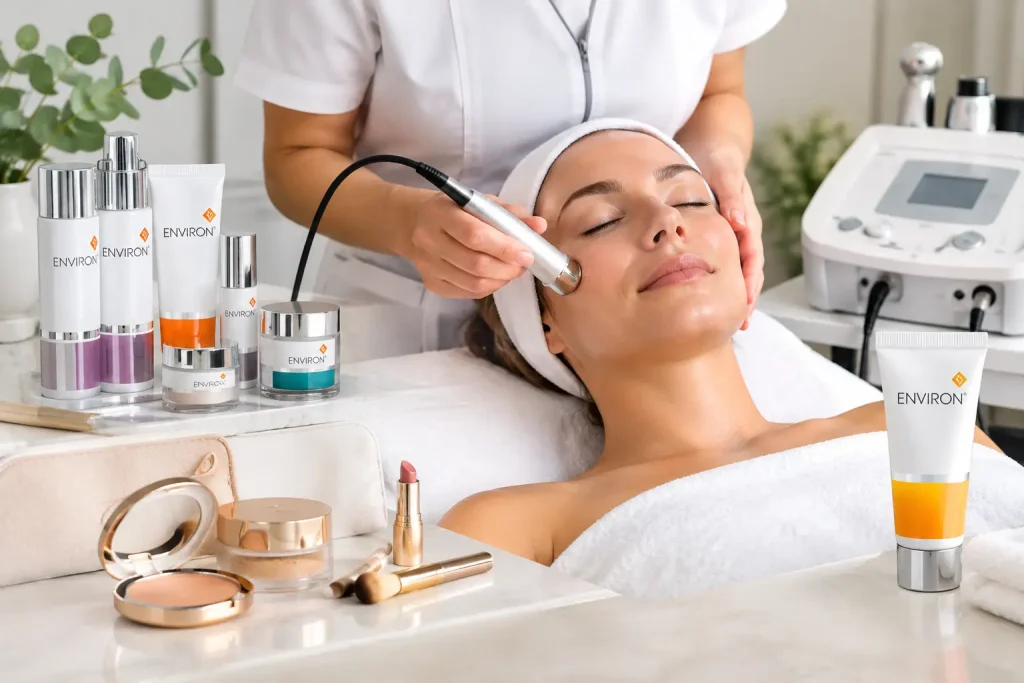
Homecare creates the daily foundation, while therapist-led treatment can accelerate and support a plan. Bespoke facials, carefully selected professional treatments and LED light therapy can be integrated according to the skin’s needs and the stage of the programme.
This combined approach matters because treatment does not stop when you leave the clinic. A facial can improve the immediate appearance and feel of the skin, but long-term change depends on what happens between appointments. Equally, homecare may have limits when congestion, inflammation, rough texture or visible ageing needs more targeted professional support.
At GRB Skin Clinic, product prescription is approached as part of a wider skin-health strategy. The focus is on observing how your skin responds, adjusting when necessary and setting realistic expectations about timing. Some clients notice improved hydration and radiance relatively quickly. Acne management, pigmentation and visible signs of photodamage usually require greater patience, because skin renewal and inflammation do not operate to a deadline.
When Environ may be a strong choice
Environ can be an excellent option for clients who want an organised, progressive approach to improving skin quality. It is particularly relevant when the goal is to support smoother texture, clearer-looking skin, more even tone and a healthier appearance over the long term.
It may also suit those who are tired of repeatedly switching products. A system gives the routine a logic: establish tolerance, support the barrier, introduce appropriate active ingredients and increase only when the skin is ready. That does not mean it is the correct answer for every person, every concern or every stage of treatment.
Someone with highly reactive skin may need a quieter starting point. Someone experiencing a significant acne flare may require a tightly controlled plan with minimal changes. Pregnancy, medication, medical conditions and previous skin reactions can also affect what is appropriate. A consultation is not an unnecessary extra – it is how a product plan becomes specific to you.
Questions worth asking before choosing a cosmeceutical routine
Before committing to any advanced skincare range, ask what the product is designed to address, how it should be introduced and what signs would indicate that it is not suitable. You should also know how long to use it before reviewing progress, and whether your routine supports your in-clinic treatment plan rather than working against it.
Be cautious of promises that every concern can be transformed quickly. Professional skincare can deliver meaningful visible improvements, but biology still sets the pace. Your skin may need time to adapt, particularly when rebuilding resilience after irritation or managing ongoing congestion.
The real value in Environ versus cosmeceuticals is not choosing a label. It is choosing a clinically informed route that gives your skin the right ingredients, at the right intensity, for long enough to show what it can do.