
Share This Post
The tan may have faded, but uneven colour often becomes more obvious in the weeks afterwards. A pigmentation treatment plan after summer should not begin with an aggressive treatment chosen at random. It should begin by assessing what has changed in your skin, how reactive it is, and which type of pigmentation you are dealing with.
Summer exposure can leave the complexion looking duller, patchier and less even, particularly across the cheeks, forehead, upper lip, chest and hands. For some people, the change is gradual. For others, existing marks from blemishes become darker or brown patches return after a period of improvement. The right response is a structured programme that supports skin health while progressively targeting excess pigment.
Why pigmentation often appears worse after summer
Pigment is part of the skin’s natural defence response. When the skin is exposed to ultraviolet radiation, heat and inflammation, melanocytes can produce more melanin. That can show up as diffuse sun damage, defined brown spots, post-inflammatory hyperpigmentation after acne, or melasma-like patches that are often influenced by hormones as well as sun exposure.
The difficulty is that these concerns can look similar while behaving very differently. A mark left after a spot may respond well once the acne and inflammation are controlled. Long-standing patches on the cheeks or upper lip can be more persistent and need careful maintenance. Brown marks that have changed quickly in size, shape or colour should always be checked by a medical professional before any cosmetic treatment begins.
This is why a consultation matters. Treating skin that is dehydrated, sensitised or actively inflamed too quickly can trigger further inflammation – and inflammation can create more pigmentation. Patience at the beginning protects the quality of your long-term result.
The first phase: restore a stable skin barrier
A productive plan starts by helping the skin settle after summer. Heat, travel, air conditioning, swimming and increased outdoor exposure can all compromise barrier function. You may notice tightness, rough texture, sensitivity, congestion or makeup sitting unevenly alongside pigmentation.
During this phase, your therapist will usually focus on a professional homecare prescription that cleanses without stripping the skin and supports hydration, comfort and repair. Vitamin A-based skincare may be introduced or adjusted gradually where appropriate, because it supports healthy cell behaviour and can be valuable in programmes for photodamage and uneven tone. The exact strength and frequency should reflect your current tolerance, previous use and skin condition.
Antioxidant support is also valuable after sustained environmental exposure. The goal is not to overload the skin with every active ingredient at once. It is to create a routine you can use consistently, with products that work together and are reviewed as your skin progresses.
Daily broad-spectrum sun protection remains non-negotiable, including on overcast Manchester days. Pigmentation treatment without diligent protection is like trying to move forwards while repeatedly stepping back. Reapplication becomes particularly relevant when you are outdoors for extended periods, driving, exercising or sitting near windows.
Build a personalised pigmentation treatment plan after summer
Once the skin is calm and stable, a therapist-led plan can move into correction. At GRB Skin Clinic, this begins with detailed skin analysis and a conversation about your history: when the pigment appeared, whether it darkens at particular times of year, your acne history, hormonal influences, previous treatments, sensitivity and the products you currently use.
A good plan does not promise an instant erasure. Pigment sits at different depths in the skin, and the skin needs time to complete healthy renewal cycles. Visible improvement is normally progressive: first the complexion may look brighter and more hydrated, then patches can begin to soften, and with consistent treatment the overall tone can look clearer and more even.
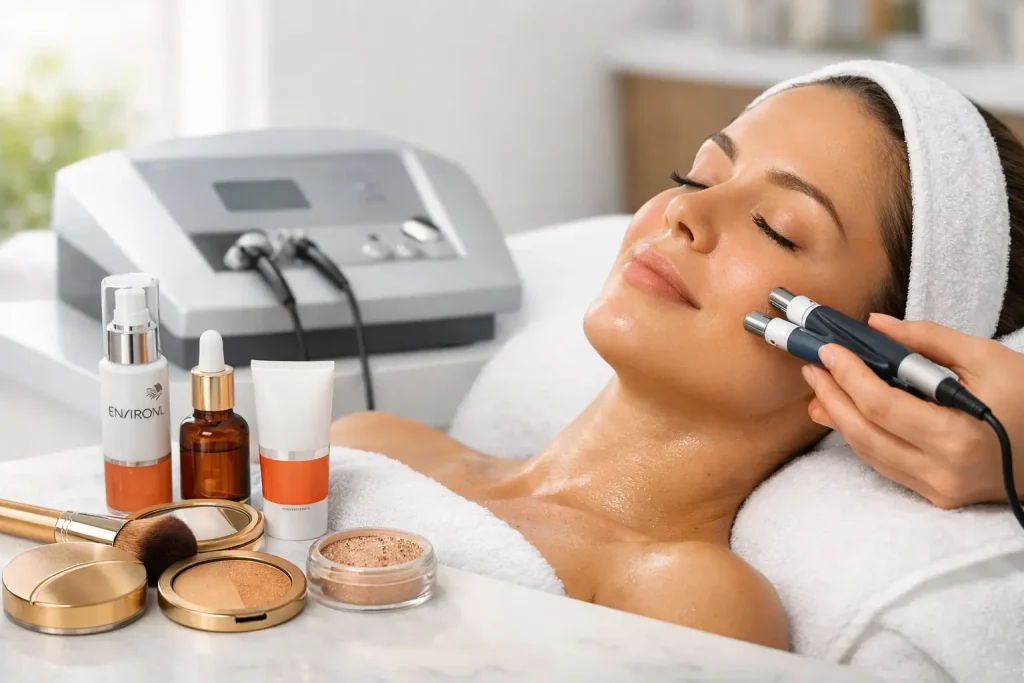
Your programme may combine progressive in-clinic facials, carefully selected active ingredients and LED light therapy where suitable. Professional facial protocols can support exfoliation, hydration and penetration of prescribed ingredients, while treatment frequency is selected around your skin’s resilience and goals. LED can support the skin’s natural repair processes and is often a valuable addition for clients managing inflammation, acne-related marking or a compromised barrier.
The best treatment is not necessarily the strongest one. A more intensive approach may be appropriate for resilient skin with established photodamage, while reactive skin, active acne or melasma-prone skin often benefits from a slower, more controlled progression. The trade-off is simple: moving steadily can feel less dramatic at first, but it reduces the risk of provoking the very pigmentation you want to improve.
Treat acne marks differently from sun damage
Post-inflammatory hyperpigmentation is particularly common after acne. These marks are not scars, although they can make the skin look textured from a distance. If breakouts are still active, controlling congestion and inflammation must be part of the plan. Otherwise, new blemishes can continue creating new marks as older ones begin to fade.
For clients with acne, treatment should address the whole picture: oil flow, congestion, inflammation, barrier health, product selection and habits that may be contributing to flare-ups. Once the skin is producing fewer inflammatory lesions, pigment correction becomes far more effective.
Sun-induced pigmentation, meanwhile, may be accompanied by fine lines, roughness and loss of luminosity. Here, the focus is often on strengthening skin quality as well as targeting visible discolouration. Improving the skin’s hydration and cellular function can make the complexion look healthier even before every mark has faded.
Expect changes over months, not days
Most pigmentation concerns need a course of treatment and ongoing homecare. A realistic programme is measured in months, not a single appointment. Your therapist may recommend an initial series of regular appointments, followed by review appointments and maintenance treatment as the seasons change.
Results depend on the type of pigment, how long it has been present, its depth, your hormones, any ongoing inflammation and your consistency with the prescribed routine. This does not mean progress is uncertain. It means an experienced practitioner sets expectations honestly, tracks your response and changes the protocol when your skin indicates it is ready.
Photographs taken under consistent conditions can be useful in a clinical plan. Day-to-day mirror checks are unreliable because light, hydration and even sleep can alter how pigment appears. Comparing planned progress points provides a clearer view of what is genuinely changing.
What can derail progress
The most common issue is treating the skin inconsistently. Using corrective products only occasionally, stopping when the skin looks better, or introducing unprescribed actives can interrupt progress and increase sensitivity. Pigmentation is a biological response, not surface dirt that can be scrubbed away.
Heat exposure can also be a trigger for certain types of pigmentation. If you know your patches darken after holidays, hot workouts or time in direct sun, mention it during your consultation. Your plan can then include practical measures to reduce avoidable stimulation alongside your treatment schedule.
Avoid picking blemishes or scratching healing areas. Even small episodes of inflammation can leave a visible mark in pigment-prone skin. If your routine causes persistent stinging, peeling, redness or discomfort, do not simply push through it. Contact your clinic so the prescription can be reviewed.
Make autumn the start of healthier skin
Autumn is an excellent time to commit to skin correction because outdoor exposure often becomes easier to manage and a consistent routine can be established before the next period of stronger sun. It is also a chance to move away from buying products for individual symptoms and towards a system that respects how your skin functions.
The aim is not a filtered, featureless complexion. It is resilient, healthy skin with a clearer and more even appearance – supported by a treatment plan that is specific to you. Book a professional skin consultation in Sale to understand what your pigmentation is telling you, then give your skin the time and guidance it needs to respond.