
Share This Post
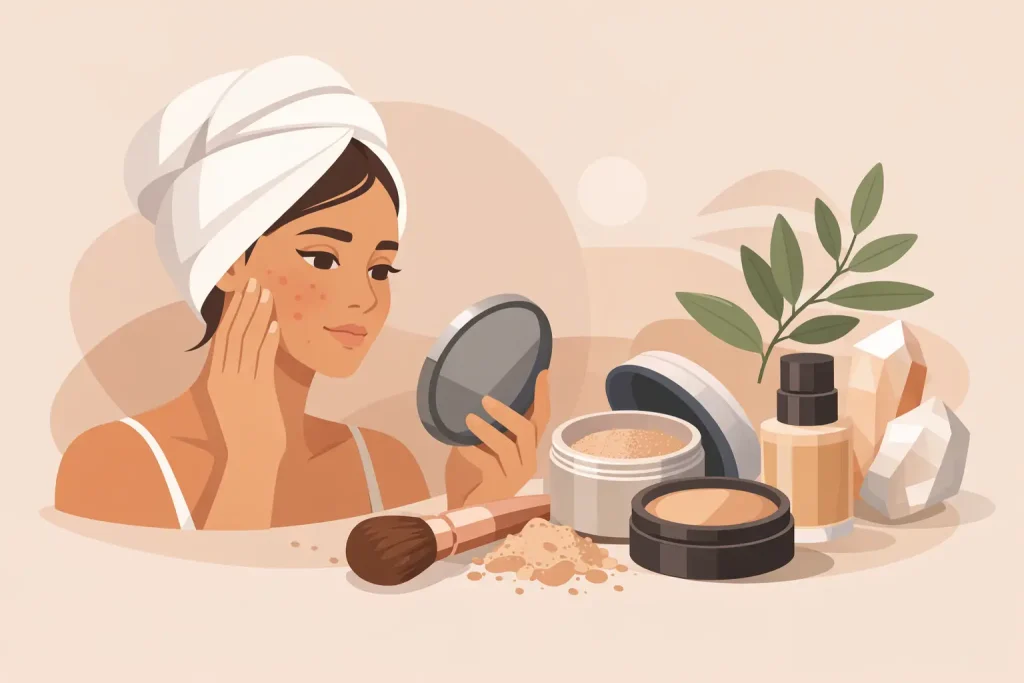
Acne-prone skin rarely behaves politely under makeup. One week it is active breakouts, the next it is post-inflammatory redness, dryness from treatment products, or that uneven texture that makes foundation sit badly by lunchtime. That is why the search for the best mineral makeup for acne skin is not really about covering blemishes. It is about finding a formula that respects a compromised skin barrier, reduces the risk of congestion, and still gives you the confidence to get on with your day.
At clinic level, we look at makeup as part of the skin plan, not separate from it. If a product sits heavily, traps oil, or is difficult to remove, it can work against the progress you are trying to achieve with professional treatments and homecare. Good mineral makeup should support the skin, not simply mask it.
What makes the best mineral makeup for acne skin?
The answer depends on the type of acne you are managing. Inflamed acne, congested skin, hormonal breakouts, sensitised skin from active ingredients, and acne with pigmentation all behave differently. A product that suits oily teenage acne may not suit an adult client using retinoids and barrier-supportive serums.
That said, the best mineral makeup for acne skin usually shares a few important qualities. It should be non-comedogenic or at least low-risk for congestion, free from heavy occlusive waxes where possible, and easy to layer without becoming thick. Breathable coverage matters because acne skin often needs correction in specific areas rather than a dense blanket of product across the entire face.
Mineral formulas are often preferred because they can be simpler in composition and kinder to reactive skin. Ingredients such as zinc oxide and titanium dioxide can help provide physical UV protection and are generally well tolerated. Zinc can be particularly helpful for oily or inflamed skins, although the overall formulation still matters more than any single ingredient.
Texture is equally important. Loose mineral powders can work beautifully for oilier skins, but on dry, flaky acne they may catch on uneven patches and make healing spots look more obvious. In that case, a pressed mineral foundation or a mineral-based liquid may perform better.
Mineral makeup does not automatically mean acne-safe
This is where many people get caught out. The word mineral sounds clean and gentle, but not every mineral product is suitable for breakout-prone skin. Some contain bismuth oxychloride, which can feel silky yet trigger itchiness or irritation in sensitive clients. Others include fillers, fragrance, or emollients that are not ideal for congested skin.
Coverage can also be misleading. A very full-coverage product may look impressive at first application, but if it settles into dry healing lesions or encourages you to over-apply, it can create a cycle of camouflage and irritation. We see this often in clinic with clients who are using excellent treatment products, then undermining progress with makeup that is simply too heavy.
It is better to choose a buildable formula and apply it strategically. Even severe acne does not usually need maximum coverage everywhere. Skin looks more believable, and often healthier, when the base is lighter and redness is corrected only where needed.
Ingredients and features worth looking for
When choosing the best mineral makeup for acne skin, start by reading beyond the front label. Look for formulas with a short, considered ingredient list and avoid products that rely on perfume to create a pleasant user experience. Fragrance is not necessary in complexion products and can be unhelpful for sensitised skins.
Physical sun protection is a real advantage, particularly if you are treating post-acne marks, pigmentation, or using resurfacing actives. UV exposure can prolong redness and deepen discolouration long after the breakout itself has healed. A mineral foundation with SPF can be useful, although it should not be your only line of defence unless applied generously enough.
You also want a finish that matches your skin’s current condition. Oily, active acne tends to benefit from a soft matte finish. Dry, recovering, or treatment-sensitised skin often needs a more forgiving satin finish that does not emphasise flaking. This is why a proper skin analysis matters. The same client may need different makeup recommendations at different stages of their programme.
Best mineral makeup for acne skin by skin presentation
If your skin is oily with active breakouts, loose or pressed mineral powder foundations are often the easiest place to start. They help absorb excess oil, tend to feel lighter on the skin, and can be layered over targeted concealer. The key is using a clean brush and applying in thin passes rather than buffing aggressively over inflamed spots.
If your acne is accompanied by dryness, sensitivity, or visible peeling from treatment products, powder alone may not be enough. A mineral-based liquid foundation or tinted moisturiser with a breathable finish can sit more smoothly and avoid that chalky effect. In this situation, skin preparation becomes as important as the foundation itself.
If post-acne redness or pigmentation is your main concern, look for a mineral complexion product with enough pigment to neutralise uneven tone without forcing you into a thick concealer layer. Often, the most natural result comes from using a sheer base and then pinpoint concealing only the marks that need extra attention.
For clients who are breaking out along the jawline but still want polished coverage for work, a pressed mineral compact can be practical. It is portable, hygienic when handled correctly, and easier to top up in controlled amounts during the day.
Application can make or break the result
You can choose an excellent formula and still get poor results if your application habits are working against you. Acne skin does not respond well to dirty brushes, expired sponges, or constant touch-ups with fingers. Hygiene is not a minor detail here. It is part of breakout management.
Start with properly prepared skin. That means cleansed skin, appropriate hydration, and sunscreen where needed. If the skin is dehydrated or stripped, makeup will grip unevenly and every blemish will look more pronounced. A calm, balanced base nearly always performs better than a heavily primed one.
Apply in light layers. Pressing and stippling is usually kinder than vigorous buffing, especially over inflamed lesions. If you use concealer, place it precisely rather than spreading it well beyond the blemish. This keeps the finish cleaner and avoids that thick, obvious patch around a spot.
Removal matters just as much. Mineral makeup may be gentler than many traditional foundations, but it still needs to be removed thoroughly at the end of the day. Incomplete cleansing can leave residue mixed with oil, SPF, and environmental debris – not ideal for skin already prone to congestion.
Why professional guidance helps
Many clients are not actually choosing between good and bad makeup. They are choosing without understanding what their skin is doing underneath. Acne is not a uniform condition, and makeup selection should reflect whether your skin is inflamed, sensitised, oily, compromised, or in recovery from a treatment course.
This is why we take a consultation-first approach. A foundation that looks flawless on social media may be entirely wrong for someone using exfoliating acids, recovering from barrier damage, or prone to persistent comedones. Product choice should sit alongside your cleanser, active serums, SPF, and treatment plan.
Within a structured programme, mineral makeup becomes part of maintaining progress rather than hiding the problem. Jane Iredale is one of the professional mineral makeup ranges often recommended in clinical skin settings because it aligns well with treatment-led skincare, but even then, the right product depends on the client in front of us, not the marketing claims on the packaging.
For clients in Sale and the wider Manchester area who want makeup that supports clearer skin rather than fighting against it, specialist guidance can save time, money, and a great deal of frustration. At GRB Skin Clinic, that means looking at the whole picture – skin behaviour, treatment history, lifestyle, and finish preferences – before prescribing products.
The right mineral makeup should let your skin breathe, help you feel put together, and fit into a plan that moves you closer to clear, stable skin. If your current foundation is making you second-guess your progress, that is usually a sign it is time to reassess the formula, not simply apply more of it.